
Key Points
Key Takeaways
- 1
Beyond Autocomplete
- 2
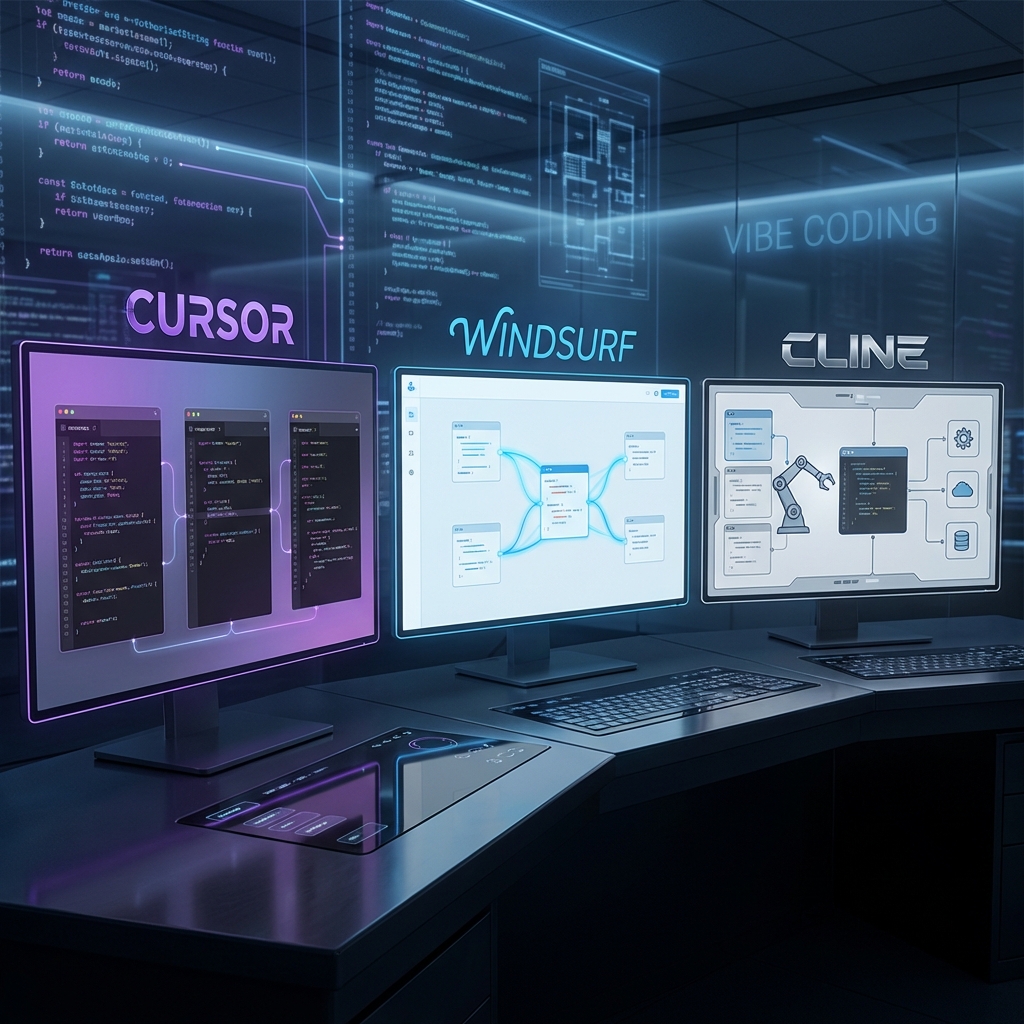
Cursor: Editor forked VS Code and remade AI native. If use 'Composer' function, can execute change across multiple files with one prompt
- 3
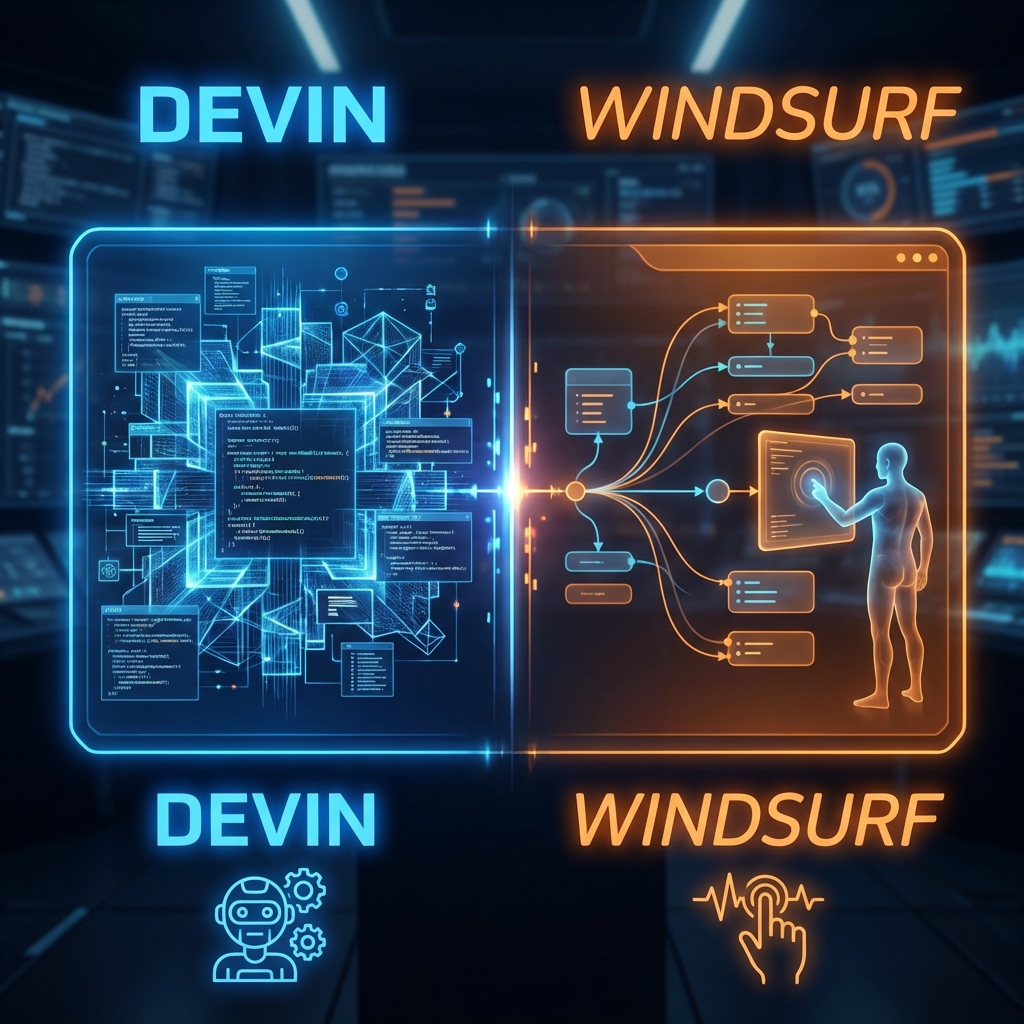
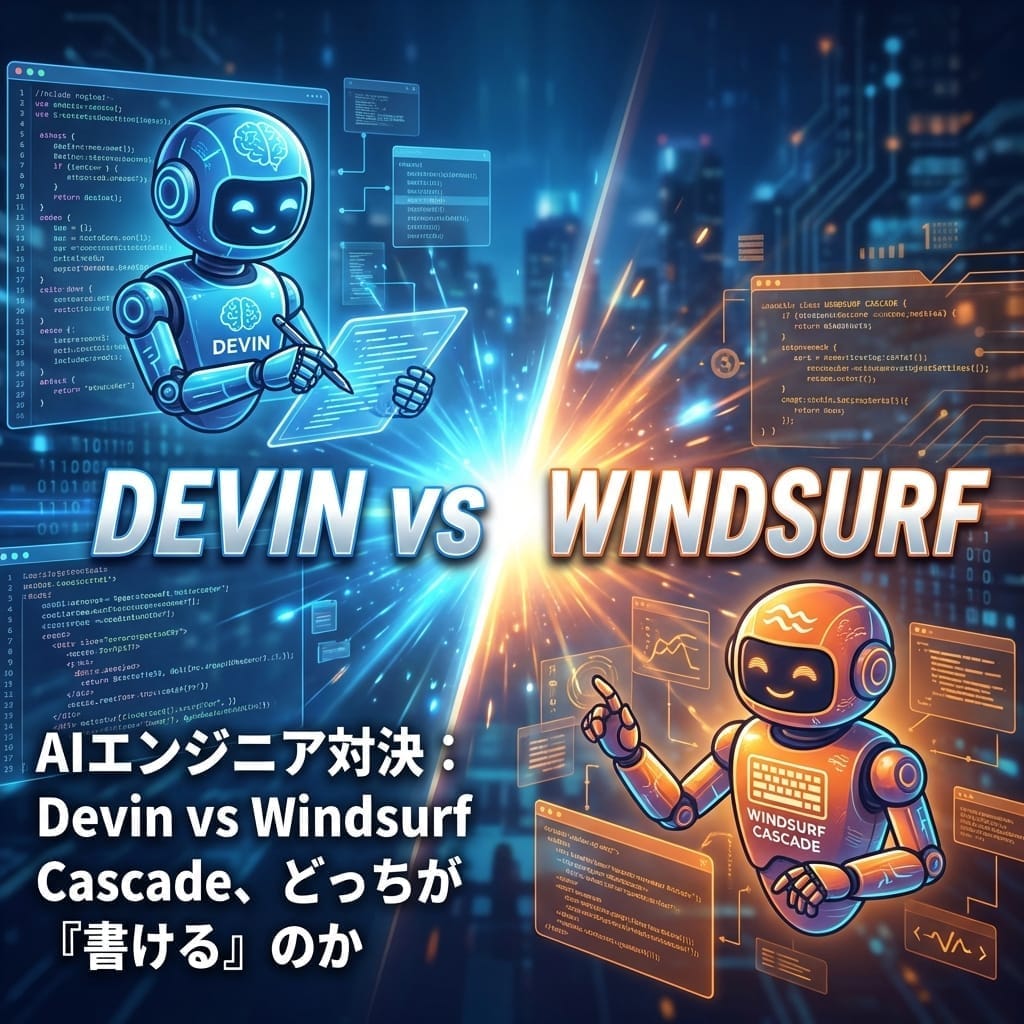
Windsurf: Next generation IDE developed by Codeium. By 'Flow' function, AI executes terminal, reads error, and self-corrects loop (Reflexion)
- 4
Context Awareness: Conventional AI could see only 'Opened file'. Agent understands 'Whole repository' and modifies considering dependency
- 5
Skill Shift: Job of engineer shifted from 'Writing code' to 'Reviewing AI outcome and designing'
Introduction: From Copilot to Agent
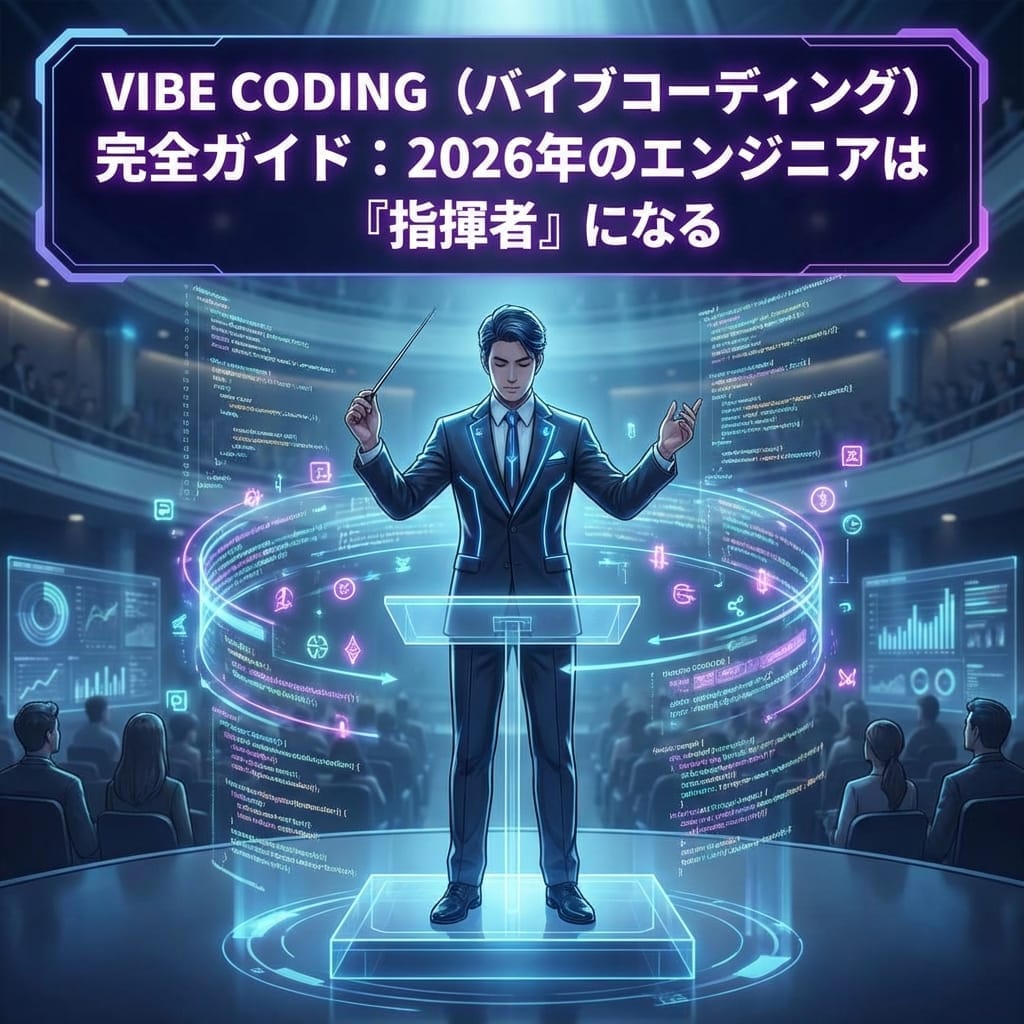
In 2023, GitHub Copilot was “Smart Autocomplete”. In 2026, AI Agent is “Autonomous Colleague”.
Came to be able to ask “Add payment function. Use Stripe API” instead of “Change color of this button”. Engineer who cannot adapt to this change follows same fate as reporter clinging to typewriter.
1. The Collaborative Editor: Cursor
It is already de facto standard.
- Composer (Cmd+I) : Can give instruction directly in editor, not chat column. Just hitting “Refactor this function”, diff acts, and can apply with Tab key.
- Tab Prediction : Predict movement of cursor and jump to “Place you want to fix next”.
Logicool MX Master 3S
Even in AI era, mouse is necessary. To review large amount of code generated by AI with high speed scroll, this wheel is indispensable. Concentration can be maintained with silent click.
2. The Autonomous IDE: Windsurf
In understanding of Context, Windsurf is one head out.
- Deep Context : Holds “Action History” that which user opened which file when and where saw as context.
- Terminal Control : AI hits
npm testby itself, reads log if fails, fixes, and tests again. Human just watches it.
3. Comparison: Which should choose
| 項目 | Cursor | Windsurf |
|---|---|---|
| Base | VS Code Fork | VS Code Fork |
| Strength | Refinement of UX (Composer) | Context Understanding (Cascade) |
| Model | Claude 3.5 Sonnet | Claude 3.5 Sonnet |
| Autonomy | Middle (Human approves) | High (Autonomous execution) |
4. New Workflow: Become Reviewer
Future engineering becomes following loop.
- Intent : Define “What want to solve” in natural language.
- Generate : Let Agent write draft (Few seconds).
- Review : Inspect logic and security with human eyes.
- Polish : Fix fine nuance.
Time “Search Google and look at Stack Overflow” became zero. Please think about architecture and UX in that free time.
Deep Dive: “Branching” and “Loops” in Agent Graphs
The core of realizing autonomous agents lies in having programmatic “loops (recursion)” and “conditional branching.” In development frameworks like LangGraph, flows like the following are defined:
- Decision Node: AI evaluates the current situation and selects the next path to take (whether to execute a tool or generate an answer).
- Cycle: If an error occurs or information is insufficient, it automatically returns to the previous step, corrects parameters, and retries. This “self-correction capability” is the greatest boundary that separates conventional linear Copilots from Agents that strive toward a goal themselves.

![[2026 Latest] Strongest AI Coding Tool Comparison: Who Wins the Agentic AI Era?](/images/ai-coding-tools-2026.jpg)

⚠️ コメントのルール
※違反コメントはAIおよび管理者により予告なく削除されます
まだコメントがありません。最初のコメントを投稿しましょう!