
Introduction: AI moves from the Cloud to “Furniture”
In 2026, AI is no longer a special service; it has become an “infrastructure” just like electricity or water. And those seeking the ultimate infrastructure arrive at the in-home GPU server .
Powerful AI computation that is impossible with off-the-shelf NAS like Synology or QNAP. I will convey the vibes of building a “GPU NAS” to achieve that.
Hardware Selection: VRAM is Justice
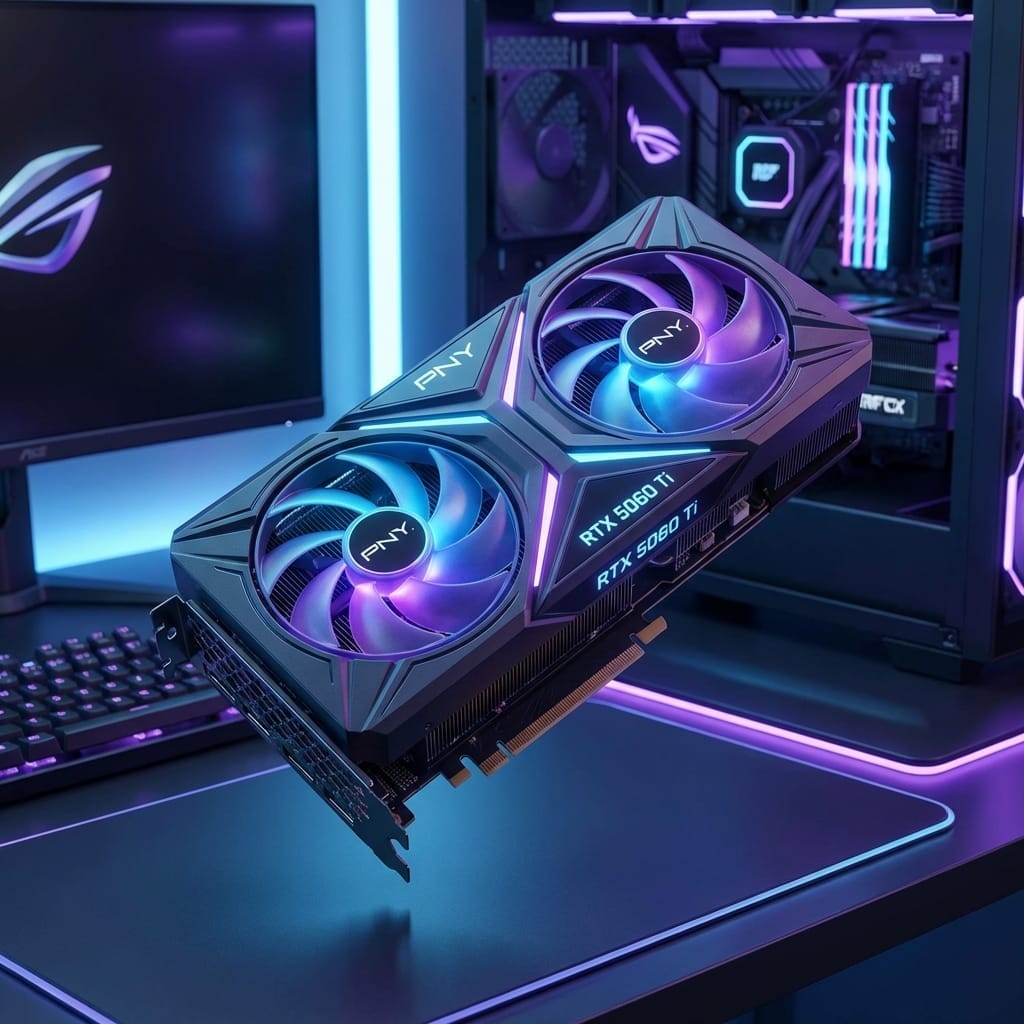
MSI GeForce RTX 4060 Ti 16GB
NVIDIA GeForce RTX 3090
In an AI server, CPU power is secondary. Everything is decided by VRAM capacity.
Smart Selection for 2026 - For low budget: RTX 4060 Ti (16GB) - For performance-oriented: Used RTX 3090 (24GB) With these, you can run up to something like DeepSeek-R1 (32B quantized version) at practical speeds.
- + Liberated from monthly subscriptions, gain an unlimited AI environment
- + Smooth use via Wi-Fi from smartphones, tablets, and laptops
- + Handle sensitive data like confidential documents and family photos with peace of mind
- - Electricity cost and fan noise cannot be ignored
- - Initial investment requires a cost of about 150,000 to 300,000 yen
- - Need to perform OS updates and security management yourself
Deep Dive: Importance of NVIDIA Container Toolkit
To make the GPU recognized on a Linux server (Docker), it is essential to not only install drivers on the host side but also have the NVIDIA Container Toolkit for accessing the GPU from the container side.
# Installation and configuration of toolkit
sudo nvidia-ctk runtime configure --runtime=docker
sudo systemctl restart docker

# Operation check
docker run --rm --gpus all nvidia/cuda:12.0-base nvidia-smi
This allows Ollama and AI applications within Docker containers to treat the host’s graphics card as “their own.”
Summary: AI from Cloud to “Furniture”
Key Points
Key Takeaways
- 1
By building a GPU NAS, an environment is established where the latest LLM can be utilized while completely protecting privacy.
- 2
Prioritize VRAM capacity for hardware, and Docker-based management is the mainstream for software in 2026.
- 3
Once built, it becomes a magic box that boosts the productivity of the whole family, from daily lookups to work assistance.

![[2026 Latest] Strongest AI Coding Tool Comparison: Who Wins the Agentic AI Era?](/images/ai-coding-tools-2026.jpg)


⚠️ コメントのルール
※違反コメントはAIおよび管理者により予告なく削除されます
まだコメントがありません。最初のコメントを投稿しましょう!